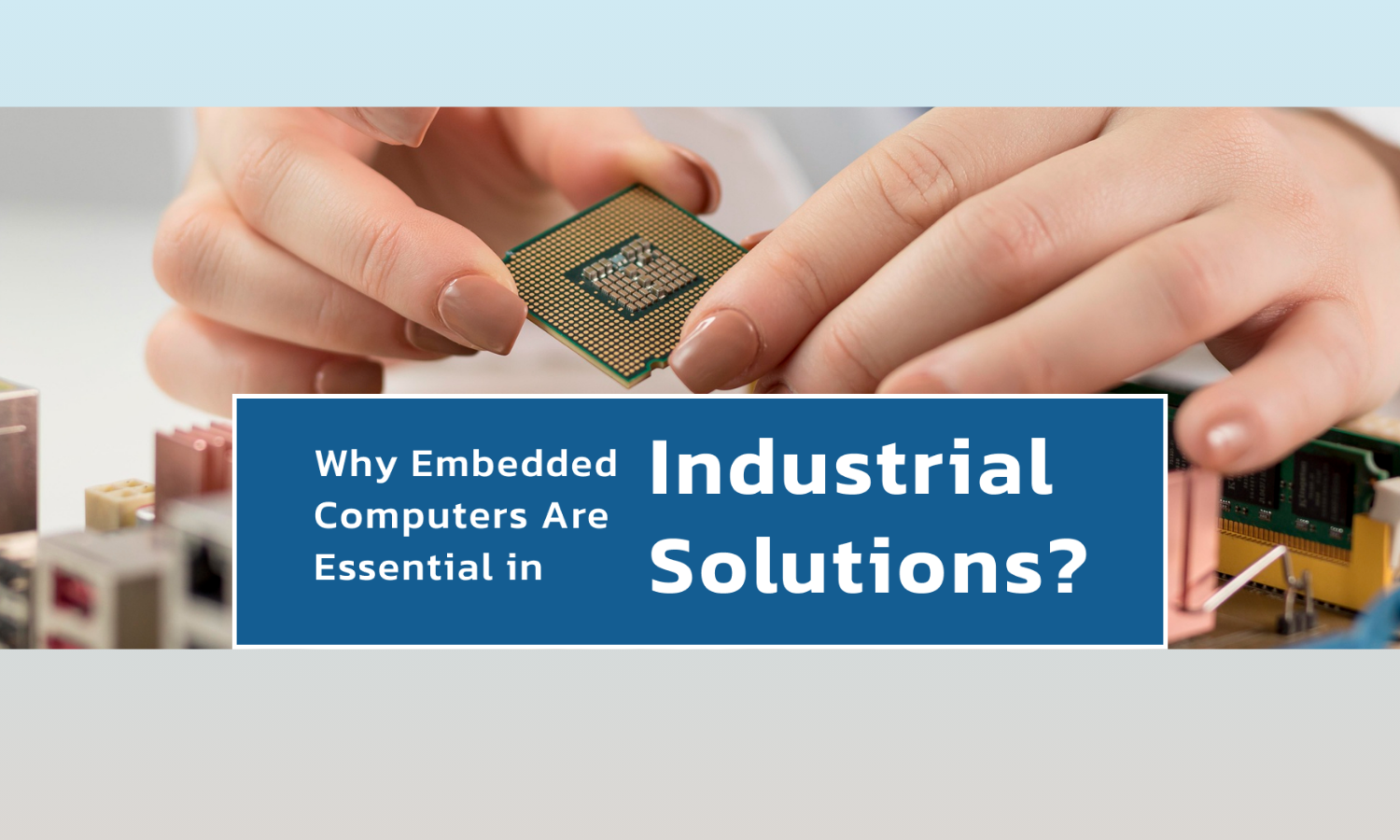
Why Embedded Computers Are Essential in Industrial Solutions?
Technology is moving faster than ever before, and industries are constantly seeking smarter, reliable, and more efficient solutions to keep up with modern demands. From manufacturing plants to energy grids, seamless automation and control have become the backbone of productivity. At the center of this digital transformation is the embedded computer system, a technology that simplifies operations, enhances accuracy, and ensures stability even in the toughest working conditions.
In this article, we’ll explore why embedded computers are essential for industrial solutions, the types of systems available, and how they contribute to building stronger and more efficient industries.
Table Of Contents
- What Is an Embedded Computer?
- Why Industries Rely on Embedded Computers?
- Key Industrial Applications
- Types of Embedded Computers in Industrial Use
- Benefits that Make Embedded Computers Stand Out
- The Role of Embedded Computers in Industry 4.0
- Case Study: Smart Manufacturing with Embedded PCs
- Looking Ahead: The Future of Industrial Embedded Computing
- Conclusion
What Is an Embedded Computer?
An embedded computer is a compact and specialized system designed to perform dedicated functions. Unlike general-purpose desktops or laptops, these computers are built for specific tasks in fields like manufacturing, logistics, energy, transportation, and healthcare.
For instance, an industrial embedded box PC can be programmed to monitor real-time production data, control robotic arms, or gather sensor inputs for quality checks – all while operating under extreme heat, dust, or vibrations.
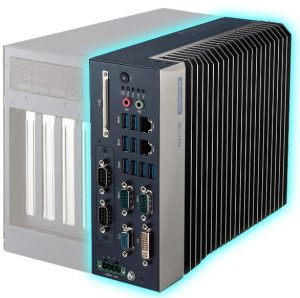
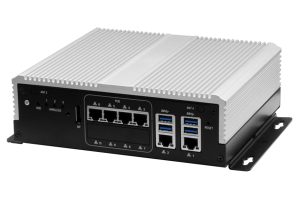
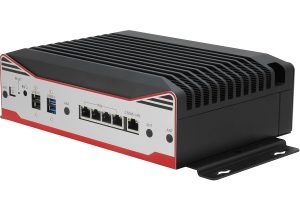
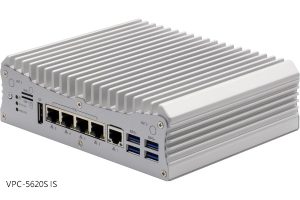
Simply put, an embedded computer is not about flashy performance but about reliability and endurance in the exact environment it is built for.
Why Industries Rely on Embedded Computers?
The growing demand for automation and connected systems makes embedded computing more critical than ever. Here are some of the biggest reasons why industries rely on these systems:
- Reliability in Harsh Environments: Factories often deal with dust, humidity, temperature fluctuations, and vibrations. An industrial fanless computer is designed to withstand all these without performance loss.
- Long Product Lifecycle Support: Unlike consumer PCs that are replaced quickly, embedded solutions are supported for 7–15 years. This saves industries from frequent costly upgrades.
- Low Downtime: Reliable embedded computers minimize machine breakdowns, which is crucial because downtime in a factory setting can cost thousands of dollars per minute.
- Compact and Scalable: Their small size allows easy integration into machines, kiosks, and automated systems.
Key Industrial Applications
Embedded computing is not a “nice-to-have” technology anymore—it has become the backbone of modern industrial systems. Below are some key applications where these systems shine:
- Manufacturing Automation: From assembly line robots to quality inspection cameras, embedded solutions keep production seamless.
- Transportation and Logistics: Embedded computers track vehicles, optimize fuel usage, and maintain GPS navigation for deliveries.
- Medical Equipment: Devices like CT scanners and vital sign monitors depend on embedded computing for accurate and real-time results.
- Smart Energy: Embedded systems manage power grids, wind turbines, and renewable energy systems.
For example, smart factories in Europe have reduced downtime by 30% after upgrading to embedded-based automation systems, according to industry reports.
Types of Embedded Computers in Industrial Use
There isn’t a one-size-fits-all when it comes to embedded computing. Each industry has different demands, and technology providers have created solutions accordingly.
1. Industrial Embedded Box PC
An industrial embedded box PC is one of the most commonly used systems. It comes in a rugged design, often fanless, and is built to run for years in tough conditions. Factories use it for machine control, data logging, and IoT-based applications.
2. Embedded Box PC
Similar to the industrial version but slightly more compact, an embedded box PC is used in places like kiosks, ticketing machines, and digital signage screens. It’s reliable, compact, and quick to deploy.
3. Industrial Single Board Computer
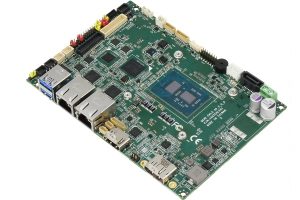
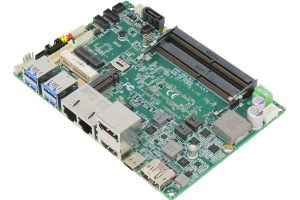
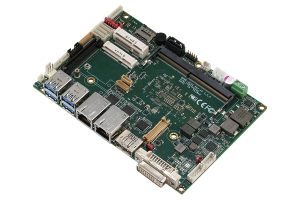
An Single Boards Computers is a computer fitted onto a single circuit board with a processor, memory, and I/O ports. It is light, power-efficient, and critical for real-time tasks like robotics and sensor management.
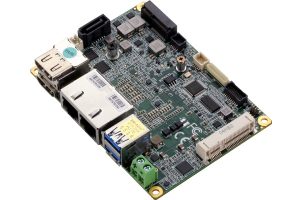
4. Embedded Motherboard
An embedded motherboard forms the base of custom embedded systems, allowing manufacturers to choose hardware configurations to suit their applications.
5. Industrial Fanless Computer
An industrial fanless computer is engineered without fans, reducing wear and tear. Instead, it relies on passive cooling. This eliminates dust clogs and makes it perfect for dusty factory floors or outdoor applications.
6. Advantech Industrial Computer
Global leaders like Advantech offer specialized industrial computer and servers optimized for long-term performance, reliability, and compatibility with IoT and AI-driven tasks. They are widely used in automation, energy systems, and transportation networks.
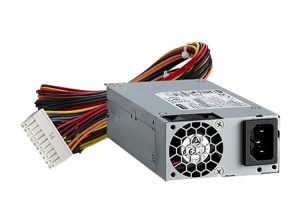
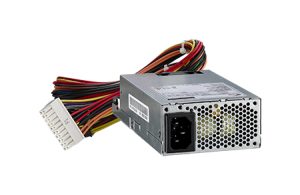
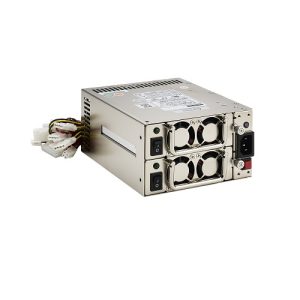
Industrial Computer And Servers

Benefits That Make Embedded Computers Stand Out
Embedded systems deliver several benefits that make them indispensable for modern industries:
- Energy Efficiency: Low power consumption ensures cost savings in 24/7 operations.
- Durability: Built to last years under rough environments.
- Scalability: Easy upgrades and modularity allow them to grow with industrial needs.
- Real-Time Processing: Critical for robotics, automated assembly lines, and quality control.
- Enhanced Security: Stronger protection against cyber-attacks and malware than traditional PCs.
The Role of Embedded Computers in Industry 4.0
The concept of Industry 4.0 is all about smart, interconnected systems where machines talk to each other, collect data, and make independent decisions.
Embedded computers make this possible by:
- Connecting manufacturing equipment to IoT networks.
- Collecting sensor data for AI analysis.
- Streamlining supply chain management.
- Enabling predictive maintenance through analytics.
In fact, 73% of manufacturers have already started implementing embedded and IoT solutions in some form, according to Deloitte’s industry study. This trend will only grow stronger over the next decade.
Case Study: Smart Manufacturing with Embedded PCs
A leading automotive manufacturer adopted industrial fanless computers on its assembly lines. Previously, overheating and dust would cause control systems to fail, halting production. After switching to rugged embedded systems, downtime was reduced by 40%, and the company saved millions annually in lost productivity.
Another use case can be seen in renewable energy management. By deploying Advantech industrial computers, solar companies are able to monitor, collect, and optimize power distribution across multiple remote sites.
Looking Ahead: The Future of Industrial Embedded Computing
The future promises even more powerful and compact embedded solutions. With AI and machine learning becoming part of mainstream automation, we can expect embedded computers to:
- Handle edge computing tasks on-site, reducing reliance on expensive cloud processing.
- Allow deeper integration with embedded industrial motherboard for customized solutions.
- Enhance predictive maintenance, preventing machinery failures before they occur.
- Offer better energy optimization in smart grids and green energy plants.
Conclusion
From factory floors to energy grids, embedded computers have become the silent heroes of industrial operations. Their reliability, compactness, and ability to thrive in difficult conditions make them indispensable for modern industries.
Whether it’s an industrial embedded box PC, embedded box PC, industrial single board computer, industrial fanless computer, embedded motherboard, or an Advantech industrial computer, each type plays a unique and important role in powering industrial solutions.
As industries push forward into the future of IoT and automation, one thing is clear: embedded computers are not just supporting players—they are at the heart of industrial success.